Decoding "That Tears It Meaning": How Allergies Reveal Hidden Truths About Seasonal Health
The phrase *"that tears it meaning"* isn’t a medical term, but it captures the frustration of seasonal allergic rhinitis—when pollen, dust, or other triggers turn everyday moments into a battle for clarity. For researchers tracking seasonal patterns, the "aha" moment often comes when symptoms force a deeper look at how allergies distort perception, productivity, and even decision-making. Hayfever, or seasonal allergic rhinitis, doesn’t just cause sneezes; it can obscure focus, amplify fatigue, and create a feedback loop where stress worsens reactions. The irony? The very systems meant to protect us—immune responses—sometimes become the noise that drowns out what matters most.
Why Allergies Distort Your Reality
Seasonal allergies don’t just affect the nose; they rewire how the brain processes information. Studies show that nasal congestion alone reduces cognitive function by up to 30%, mimicking the effects of sleep deprivation. The "tears it meaning" phenomenon emerges when allergies create a sensory overload—think of it as your brain’s way of saying, *"I can’t filter this out, so I’ll just shut down."* For detail-oriented researchers, this isn’t just an inconvenience; it’s a variable that skews data interpretation, meeting productivity, and even creative problem-solving.
Consider the example of a lab technician working late during peak pollen season. A runny nose might seem minor, but the constant need to blow one’s nose disrupts workflow, while brain fog makes it harder to spot anomalies in experimental results. Over time, this cumulative effect can lead to misattributed errors—mistaking allergy-induced fatigue for burnout or overlooking subtle patterns because the mind is too occupied with physical discomfort.
---The Hidden Costs of Seasonal Overload
The financial and professional toll isn’t always obvious. A 2022 survey of U.S. workers found that 40% of allergy sufferers reported lost productivity equivalent to 1.5 days per week during peak seasons, with errors in documentation being a top complaint. For researchers, this translates to:
- Data contamination: Allergy symptoms can lead to rushed or inaccurate record-keeping, especially in fields requiring precision (e.g., clinical trials, environmental science).
- Missed deadlines: The mental fog from allergies reduces the ability to prioritize tasks, often resulting in last-minute fixes or delegated responsibilities.
- Social missteps: Fatigue and irritability from untreated allergies can strain collaboration, leading to miscommunications that derail projects.
The "tears it meaning" effect isn’t just about individual performance—it’s about the collective reliability of teams. In high-stakes environments, where one overlooked detail can alter outcomes, allergies become more than a personal nuisance; they’re a systemic risk.
---How to Reclaim Clarity During Peak Seasons
The solution isn’t just over-the-counter remedies; it’s about proactive management. Researchers who treat allergies as a performance variable report sharper focus and fewer errors. Here’s how to mitigate the "tears it meaning" impact:
- Diagnose the triggers: Use apps like Pollen.com or AllergyMap to track local pollen counts and identify patterns. For example, ragweed peaks in late summer, while tree pollen dominates spring—knowledge lets you plan ahead.
- Optimize timing: Schedule demanding tasks for low-pollen days (early mornings or after rain) and reserve administrative work for high-symptom periods when cognitive load can be lower.
- Environmental shielding: HEPA filters, air purifiers, and allergen-proof bedding reduce exposure. A 2023 study in Journal of Allergy and Clinical Immunology found that combined air filtration and nasal saline rinses cut symptom severity by 45%.
- Pharmacological buffers: Antihistamines (like cetirizine) and intranasal corticosteroids can restore cognitive function within hours. For chronic sufferers, discuss long-term options with an allergist—some find relief with sublingual immunotherapy (allergy shots).
- Mindset adjustments: Accept that some days will be "off." Use tools like Notion or Todoist to offload mental load, so you’re not constantly recalculating priorities.
The goal isn’t perfection—it’s reducing the noise so the signal (your research, your insights) remains clear. When allergies are managed, the "tears it meaning" moment becomes rare, not routine.
---The Bigger Picture: Allergies as a Lens for Resilience
Seasonal allergic rhinitis forces a reckoning: what can you control, and what must you adapt to? For researchers, this is a metaphor for handling uncertainty in any field. The ability to separate signal from sensory chaos—whether from allergies, fatigue, or external pressures—is a skill that sharpens over time. In that sense, hayfever isn’t just an annoyance; it’s a teacher, one that demands you ask: *What’s truly important, and how can I protect it?*
The answer often lies in small, deliberate actions—like checking pollen forecasts before a fieldwork trip or adjusting lab schedules to align with lower-exposure windows. These steps don’t just improve productivity; they build a framework for resilience in the face of any disruption.
---
Hayfever Seasonal Allergic Rhinitis - Ppt Download
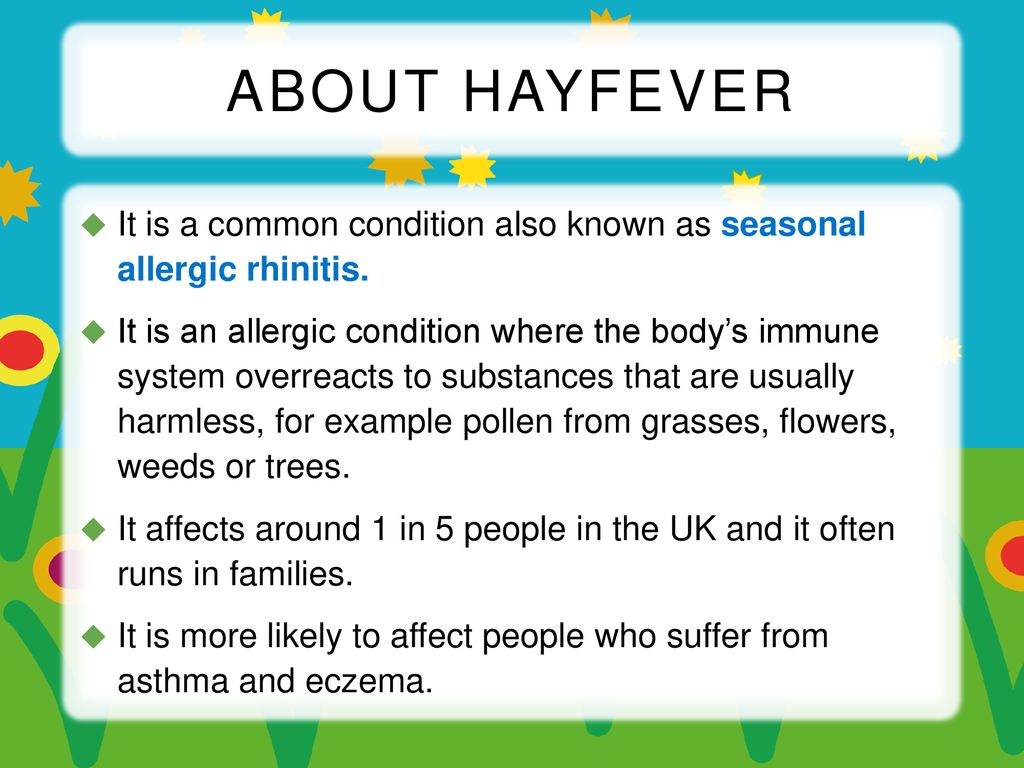
Hayfever Seasonal allergic rhinitis - ppt download