Getting Paid Meme: The Rise of Digital Humor and Monetization
Getting paid for memes is no longer a joke—it’s a growing trend in digital content creation. As platforms like TikTok and Instagram reward creators for viral humor, meme artists are finding new ways to monetize their work. But success isn’t guaranteed; timing, platform rules, and audience engagement all play key roles. This article explores how meme creators are turning laughs into income, the challenges they face, and what it takes to thrive in this fast-paced space.
Why Memes Are a Lucrative Niche
Memes thrive on virality, and platforms are cashing in. Creators earn through ad revenue, sponsorships, and direct sales, often without needing a large following. For example, a meme about a relatable workplace struggle might go viral overnight, attracting brands looking to tap into its audience. The key is leveraging trends—whether it’s a viral challenge, a trending sound, or a cultural moment—before the crowd moves on.
However, not all memes pay off. Many creators spend hours crafting jokes that never gain traction. The best memes are often simple, relatable, and timely. A meme about a common frustration (like "When your boss asks for a report by EOD") has a higher chance of resonating than overly complex or niche humor.
How to Turn Memes into Income
Monetizing memes requires strategy. Here are three proven methods:
- Ad Revenue: Platforms like TikTok and Instagram pay creators based on views and engagement. A meme that gets 100,000 views might earn a few cents, but scaling to millions can turn it into real money.
- Sponsorships: Brands seek meme creators to promote products. For example, a tech company might collaborate with a creator who posts about gadgets in a humorous way.
- Direct Sales: Some creators sell merch, digital prints, or exclusive content to fans. A viral meme about a pet might lead to a best-selling T-shirt.
But success depends on consistency. Meme creators must post regularly to stay relevant, adapt to trends, and engage with their audience. A one-time viral hit won’t sustain income—it takes sustained effort to build a following.
Challenges and Risks
While meme monetization offers opportunities, it’s not without risks. Platforms change algorithms frequently, making it hard to predict what will go viral. A meme that worked last month might flop today.
Additionally, copyright issues can arise. Using someone else’s image or idea without permission could lead to legal trouble. Creators must be mindful of fair use and credit sources when possible.
Finally, burnout is real. The pressure to constantly produce content can take a toll on mental health. Creators must balance creativity with self-care to stay sustainable.
Case Study: The Reloaded Weapons List
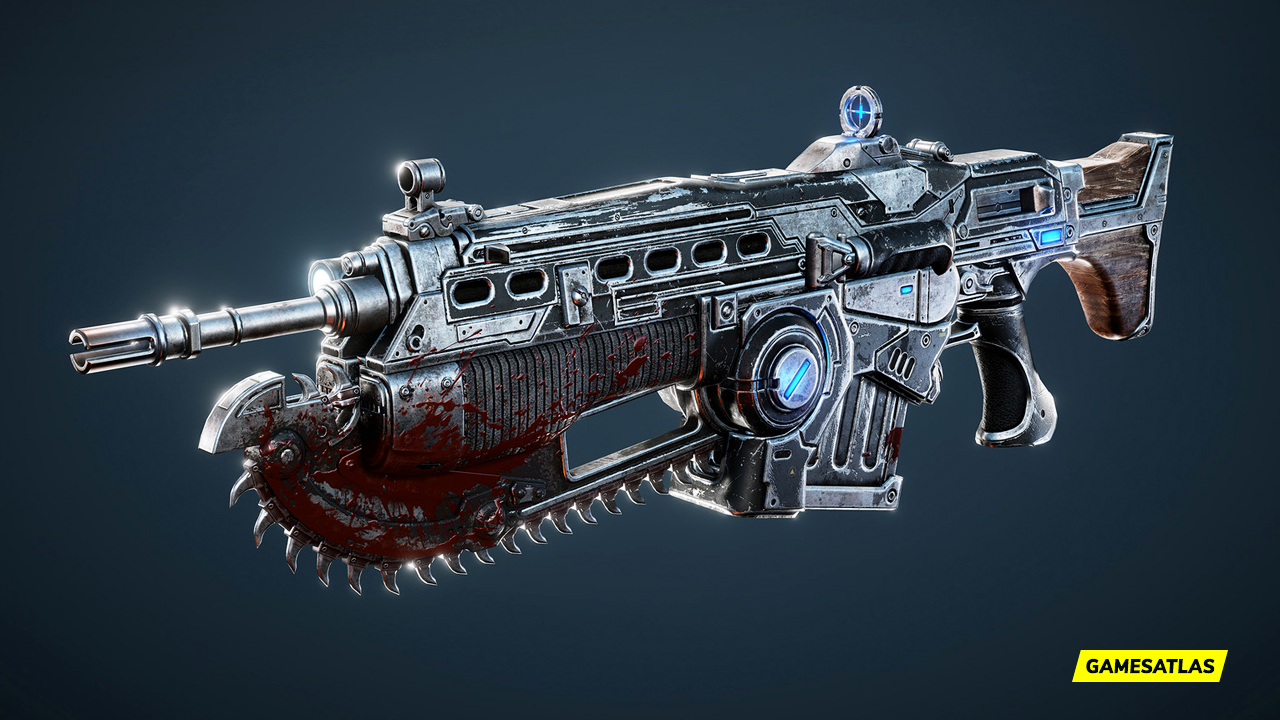
Consider the "Reloaded Weapons List" meme, which humorously ranks fictional weapons. A creator might post a version of this meme, tweaking it with inside jokes or pop culture references. If it gains traction, they could monetize it through sponsorships or merch. However, the meme’s success depends on how well it aligns with current trends and audience preferences.
Final Thoughts
Getting paid for memes is a mix of creativity, strategy, and luck. While not every joke will pay off, those who understand trends, engage with their audience, and adapt to platform changes stand the best chance of success. The key is to keep creating, stay adaptable, and turn humor into a sustainable income stream.