Capybara Are They Aggressive? A Detailed Behavioral Analysis
The question "capybara are they aggressive" surfaces regularly among wildlife enthusiasts and researchers who observe their placid demeanor against nature's usual predator-prey dynamics. The short answer is that capybaras exhibit remarkably low levels of true aggression, especially towards species outside their own. However, understanding the specific context of defensive posturing, social hierarchy, and mating competition is critical for a thorough analysis. For the detail-oriented observer, distinguishing between a capybara's startle reflex and offensive aggression is the key to resolving the apparent conflict between their viral reputation and their biological reality.
When a Hiss is Not a Threat
Researchers cataloging capybara behavior often note a specific pain point for novices: misinterpreting defensive signals as hostility. A capybara that clicks its teeth or emits a low bark is typically expressing alarm, not aggression. This is a problem-solution framework essential for fieldwork. The solution lies in recognizing the context. A capybara in a group that hisses is usually communicating danger to its herd or reacting to a sudden perceived threat, rather than preparing to attack an observer.
True aggressive behavior in capybaras is almost exclusively reserved for intense competition among dominant males during the wet season. Outside of this breeding pressure, the species relies heavily on cooperation. Reviews of rodent social cognition highlight capybaras as outliers in their tolerance for crowding, directly contradicting the assumption that large group sizes automatically lead to high aggression levels in mammals.
The Math of Capybara Temperament
To visualize the complexity of "capybara are they aggressive" for a researcher, it helps to consider the overlap of their social drives. A Venn diagram of their behavioral sets helps map the specific instances where true aggression might manifest. The vast majority of their actions fall under "social bonding" or "alert response." Only a tiny sliver involves actual conflict.
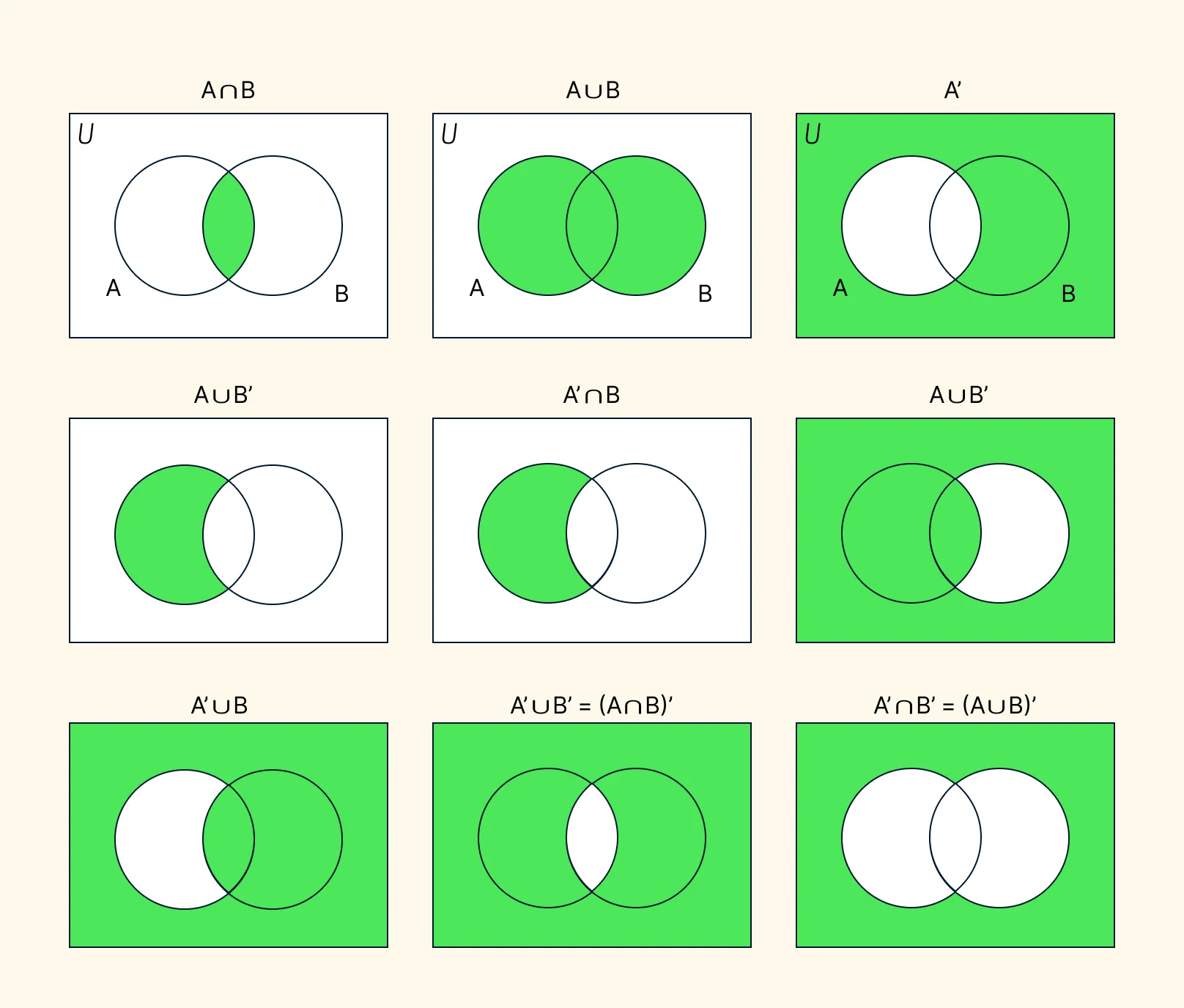
The dominance hierarchy within a capybara group is notably stable, which minimizes persistent fighting. A dominant male does not constantly attack subordinate members; he relies on scent marking and specific vocalizations to maintain order. Physical aggression is usually a last resort, applied only when social rules are broken, rather than a standard daily behavior.
The Bite Factor: Pain Point and Practical Solution
Capybaras possess impressive incisors that can look intimidating. For a researcher or keeper, the fear of a bite is a legitimate pain point. The data shows that bites are almost always provoked by mishandling or trapping. A wild capybara cornered by a dog or a human is operating from a survival mindset, not a hunting mindset. The solution for minimizing bite risk is strict adherence to flight distance protocols. Because they are prey animals, their default reaction to close proximity is flight, not fight. When flight is blocked, the defensive bite becomes the only option left in their behavioral toolkit.
This aligns with the broader research on prey animal psychology. Capybaras do not possess the neurological or hormonal profiles of apex predators. Their cortisol responses spike to threats but drop quickly in safe social environments. This physiological evidence supports the conclusion that the species is wired for peace rather than aggression.
Relaxing into the Herd: Why Viral Videos Hold Up to Scrutiny
Skeptical researchers might worry that internet portrayals of capybaras lounging with caimans are isolated anomalies. However, extensive field observations confirm these interactions as the norm rather than the exception. The problem of how to reconcile the animal's size with its docility finds its solution in its evolutionary strategy: acting as a neutral participant reduces energy waste on conflict.
Their acceptance of other species is a hallmark of their temperament. Birds perch on them, monkeys sit near them, and potential predators often share sunbathing spots without incident. The capybara acts as a neutral hub in the ecosystem. For the researcher, this confirms that aggressive responses are highly specific, limited almost entirely to mating competition or direct life-threatening emergencies.
Practical Observations for the Field
For anyone studying the question "capybara are they aggressive," the protocol is clear: respect the hierarchy and the space. Do not position yourself between a dominant male and his harem during the breeding season. Avoid startling a resting group. In captivity, provide adequate space to prevent resource guarding, which is the most common catalyst for friction.
By applying a rigorous, problem-solution framework to their body language, researchers can reliably predict capybara reactions. The capybara is a model animal for studying low-aggression social structures. Their behavior provides a powerful counter-narrative to the assumption that large wild animals are inherently dangerous. Ultimately, the data supports the viral narrative. The capybara is a remarkably peaceful species, and the question of "are they aggressive" is best answered with a highly contextualized "almost never."